Mold After a Roof Leak in Simpsonville, SC
Mold removed from ceilings and attic wood, with damaged insulation cleared after a roof leak in your Simpsonville property. Call 24/7 to start your moisture assessment and cleanup.
- Leak source checked first
- Ceiling and attic containment
- Clear cleanup and drying scope
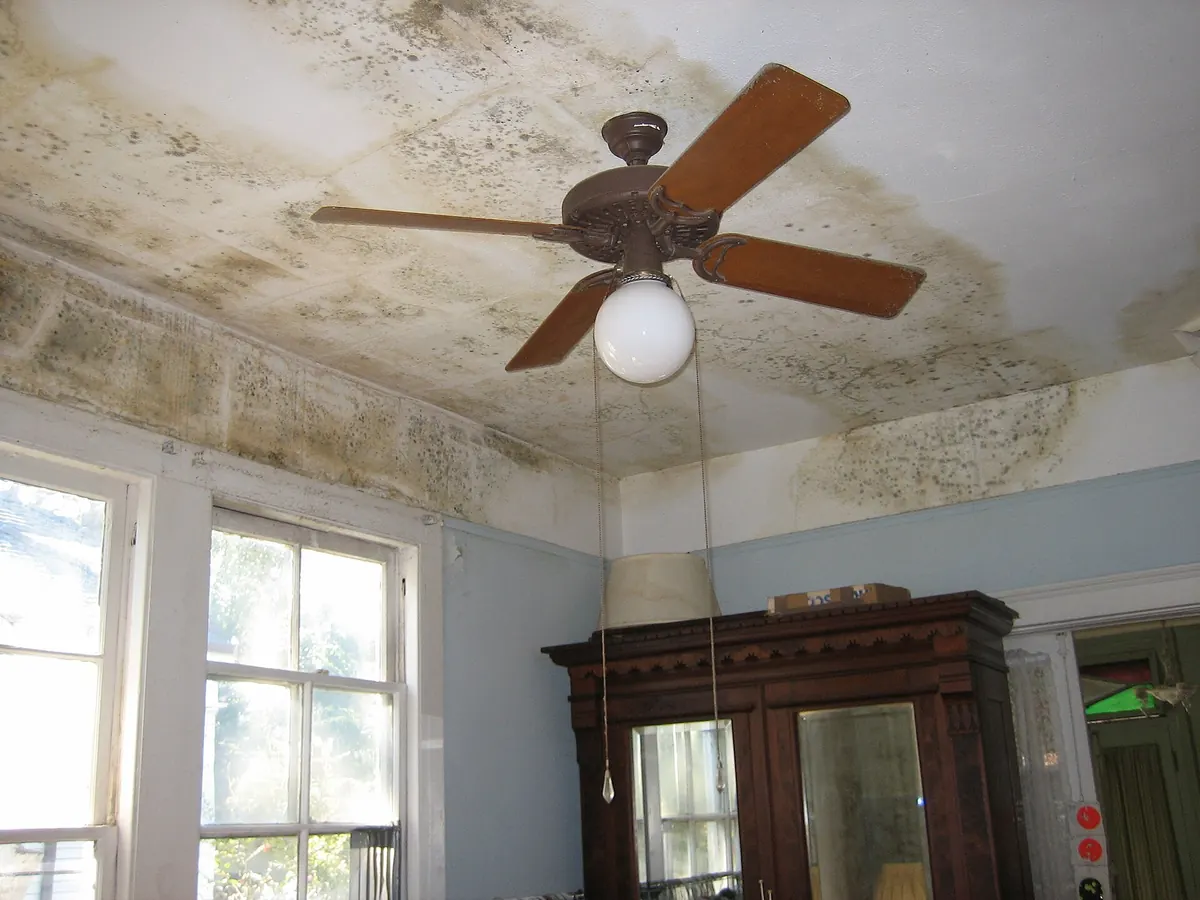
Simpsonville Services for Mold After a Roof Leak
Your water path guides cleanup through rafters and ceiling drywall, along with roof sheathing and insulation. Materials along that path are evaluated for cleaning or removal.
Moisture mapping follows water along framing into accessible roof bays and ceiling cavities beyond visible mold growth.
Your written work scope treats roof repairs and rebuilding separately from remediation, including flashing, shingles and deteriorated roof decking. Cleanup removes damaged porous materials and cleans and dries sound wood.
- Ceiling and attic moisture assessment
- Damaged drywall removal and removal of wet insulation
- Sound rafter and sheathing cleaning
- Debris route protection and HEPA filtration
- Drying and final condition checks
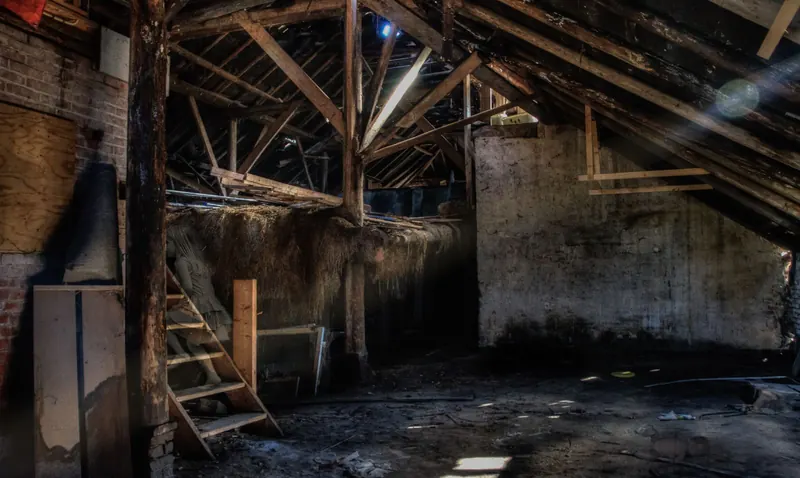
When You Need Roof Leak Mold Cleanup in Greenville County
Wet insulation, recurring stains or growth may point to damage where your roof leaked.
Wet Insulation Above Your Ceiling
Insulation below the leaking roof looks compressed or stays damp.
Musty Odor After Rain
Hidden wet materials may accompany an ongoing smell by your attic hatch.
Attic Mold Below a Roof Opening
Growth appears on sheathing or rafters near a vent or chimney.
Water Stains Return After Rain
Rainfall leaves your ceiling stain darker, alongside paint that bubbles or drywall that feels soft.
Mold on Bathroom Ceiling Surfaces
Rain changes the spots, and humidity from showers can add to moisture.
Steps in Roof Leak Mold Remediation for Simpsonville
Drying, then final checks, complete your cleanup.
Ceiling and Attic Mold Assessment
A moisture meter locates damp areas across ceiling surfaces, framing and insulation. A thermal imaging camera can reveal differences in temperature, but does not identify mold.
Leak Source and Cleanup Scope
Removal boundaries, along with separate roof leak repair, are determined by where water travels. Water entry is controlled before drying and replacement materials are enclosed.
Ceiling Mold Containment
Your work zone is separated with a containment barrier and poly sheeting. Protective equipment, negative air pressure and a HEPA air scrubber limit particle spread.
Damaged Drywall and Insulation Removal
Bagging takes place inside containment for damaged ceiling drywall and moldy insulation. Spread within your home is limited by protecting the debris path.
Retained Wood and Surface Cleaning
Sound sheathing and rafters undergo surface cleaning as well as HEPA vacuum cleaning. Non-porous surfaces undergo cleaning, and antimicrobial treatment cannot take the place of removing growth.
Structural Drying
The drying process is supported by controlled air movers alongside a dehumidifier once removal and cleaning finish. Moisture readings track progress in wood and cavities.
Post-Remediation Verification
Visual and moisture checks assess completion. Before containment removal, an independent assessor conducts clearance testing if specified.
Containment Removal and Rebuilding Readiness
After final checks, containment is dismantled. Once dampness and the leak are corrected, insulation replacement and ceiling finishes proceed under the separate rebuilding scope.
Reasons to Choose Greenville Mold Cleanup for Mold Following a Roof Leak
Calls Answered 24/7
Day or night, you can start attic and ceiling cleanup throughout the metro by calling one number.
Contained Ceiling and Attic Work
HEPA filtration and protection along access routes restrict particle spread while overhead work proceeds.
Removal Through Final Checks
Removal, cleaning and drying finish with verification before containment comes down.
Clear Mold Cleanup Scope
The separate roof repairs and boundaries for removal are set before work gets underway.
Roof Moisture First
Your assessment follows the leak path beyond the visible stain.
Greenville County Preparations for Ceiling Leak Mold Cleanup
Leave damaged material alone and call 24/7.
- Stay clear of sagging ceilings. Damaged drywall and wet fixtures should remain off-limits to people and pets.
- Leave attic material in place. Do not pull down insulation or scrape growth.
- Avoid roof access. Wet roofs and damaged decking need professional assessment.
- Keep suspect HVAC off. To avoid spreading mold, EPA advises keeping equipment off when you suspect mold contamination.
- Address fresh water damage promptly. EPA advises drying water-damaged areas and items within 24 to 48 hours to prevent mold growth.
Your Roof Leak Mold Remediation Cost in Simpsonville, SC
Access and affected materials set your cost. Published price ranges apply to individual tasks rather than a combined quote.
Roof Leaks and Attic Mold (Angi, 2025)
$1,000 to $4,000 per jobSource: PushLeads, Attic Mold Removal Cost (cites BUK Restoration and Angi) (checked 2026-10-23)Roof Leak Repair Corrects the Cause, Leaving Mold Cleanup Separate
$400 to $2,500 per repairSource: Fixr, Mold Remediation Cost (checked 2026-10-23)New insulation, if the old insulation is removed
Each square foot costs $1 to $7Source: PushLeads, Attic Mold Removal Cost (cites BUK Restoration and Angi) (checked 2026-10-23)Simpsonville Roof Leak Mold Cost: What Makes a Difference
- Independent assessment when specified
- Attic access and debris route
- Containment and drying needs
- Affected area and material condition
- Roof repair and interior rebuilding
Your Ceiling and Attic Cleanup Price
These published national ranges are planning figures. Your on-site assessment defines the work and price before cleanup starts, including any separate source repairs or rebuilding.
Call (844) 352-3560 about costMold After a Roof Leak Service Area Across Greater Greenville
Call (844) 352-3560 to arrange cleanup in Simpsonville or nearby communities. One number covers the metro.
Mold After a Roof Leak in Locations Near Simpsonville
Frequently Asked Questions About Mold After a Roof Leak in Simpsonville
When facing mold on ceiling from roof leak damage, is removal required?
You may need moldy ceiling drywall removed for access to affected framing and insulation. Cleaning and drying are often possible for sound roof sheathing and rafters. A stain cannot by itself reveal conditions within the cavity. Roof repairs are distinguished from cleaning in your scope, which also sets removal boundaries.
Is fixing the leaking roof included in mold cleanup?
Only roof repair listed in your scope is included; the repair remains separate work. A roofing contractor assesses shingles, flashing and decking while the indoor assessment defines remediation. Water entry needs correction before cleaned cavities are enclosed with new insulation, drywall or paint.
Will mold return after the ceiling and attic are cleaned?
An ongoing moisture source or a roof that still lets water in can allow mold to return. Your leak path is traced during assessment ahead of cleaning. Leak correction accompanies cleaning and drying of sound wood. Drying must be verified before you add replacement insulation and ceiling finishes.
During ceiling leak mold cleanup, can you remain at home?
Staying may be possible when rooms you occupy are kept apart from the work area. Overhead removal and the debris path shape access limits, as does ventilation shared between spaces. Your household needs and layout shape the arrangements, and temporary accommodation elsewhere may be necessary for some jobs.
How is roof leak mold remediation cost in Greenville County affected?
Insulation volume and the affected area influence your cost, together with the condition of wood and ceiling access. The published cards above distinguish attic cleanup costs from replacement insulation and roof repair. Assessing ceiling rebuilding is a separate step. Your scope defines the price and the work ahead of removal.
What is the timeline for roof leak mold cleanup in Simpsonville?
Ceiling access, the amount removed and measured progress in drying determine your schedule. Less headroom in attics adds work. Roof repair, weather and agreed final checks affect when replacement insulation and ceiling finishes can go in. Surface appearance alone does not establish that materials are dry.
Should mold testing take place before or after the cleanup?
When visible mold is present, EPA guidance often does not call for air sampling. Inspection and moisture readings define your cleanup area. Visual and moisture checks assess completion after cleaning and drying. An assessor independent of the cleanup completes any specified clearance testing prior to containment removal.
Roof Leak Mold: Insurance in South Carolina
Homeowners insurance coverage depends on the leak cause, exclusions, mold coverage limits and deductible. Storm damage, roof repair and cleanup may receive different decisions.
Roof Leak Mold Safety Across Greater Greenville
Removing damaged materials overhead calls for containment to limit particle movement.
Hidden Ceiling Mold
Growth inside the cavity may extend beyond what the visible patch shows.
Overhead Removal
Wet drywall and insulation affect access and debris control below the work area.
Damaged Roof Support
Have structural damage assessed for repair, since cleaning cannot restore weakened framing or decking.
Mold and Sensitive Occupants
CDC says mold can trigger allergy and asthma symptoms in some people.
Cleanup scope: EPA guidance says you can often clean an area under about 10 square feet yourself. Hazards when accessing ceilings also matter; mold from contaminated water, HVAC systems and larger areas need professional help.
Cleaning or Removing Materials With Roof Leak Mold in Greenville County
Your materials' condition guides cleaning or replacement.
Sound attic wood
- Cleaning and drying are used for roof sheathing and rafters when their condition permits.
Damaged porous materials
- Removal may be necessary for moldy drywall, ceiling tiles and insulation; assess damaged decking for roof repair.
Non-porous surfaces
- Reachable glass and metal undergo cleaning; neighboring porous layers get a separate assessment.
Time Needed for Roof Leak Mold Cleanup in Greenville County
Measured drying progress, leak control and access determine your schedule.
- Roof access and weather: Weather affects access for leak repair.
- Concealed damage: Damage out of sight can enlarge your cleanup area.
- Drying and reconstruction: Moisture readings determine rebuilding readiness.
Roof Leak Mold and Odor Throughout Greater Greenville
Investigation traces your musty smell through the leak route. Scent cannot fix wet insulation or concealed mold growth.
Keep indoor relative humidity under 60 percent, as EPA recommends, ideally between 30 and 50 percent. Controlling humidity or dehumidifying cannot repair an opening in your roof.
Roof Leak Mold Cleanup Requirements in South Carolina
Mold Work Requirements
South Carolina does not appear to have a statewide license for mold assessors or remediators. Ask any contractor about their mold training and check local contractor rules.
Roof and Ceiling Repairs
Permit requirements depend on the structural, roofing or electrical work included.
Mold Sampling Limits
For mold levels indoors, EPA establishes no federal limit.
State Mold Information
The South Carolina Department of Environmental Services (formerly part of DHEC) has an indoor mold page and a mold information number at 888-815-3509 for general information.
Related Services and Next Steps
Start Your Mold After a Roof Leak in Simpsonville
Call 24/7 to arrange your assessment. Your cleanup starts with the affected surfaces, moisture source and access to your home.